Spend $50, Get 10% Off

Yes — for odor. No — it won't stop sweat. And it takes a week or two to settle. That's the complete, honest answer most articles skip. Here's why it works, why it can feel like it doesn't at first, and how to make sure it does.

Yes, natural deodorant works — for odor control, which is what a deodorant is for. It neutralizes the smell created when bacteria break down sweat, keeping you fresh without aluminum. It does not stop you from sweating; only antiperspirants do that. The catch most people hit is the switch: for the first week or two after leaving an antiperspirant, your body sweats normally again, which can feel like the deodorant is failing. It isn't — give it two weeks, reapply as needed, and go baking-soda-free if your skin reacts.
Type "does natural deodorant work" into any search bar and you'll get two camps: breathless converts who say it changed their life, and skeptics who say they smelled terrible for a week and quit. Both are describing the same thing badly. Here's the version with no spin.
Natural deodorant works at the job a deodorant is supposed to do: controlling odor. It keeps you smelling fresh without aluminum. What it does not do — and was never designed to do — is stop you from sweating. That's a separate product called an antiperspirant, and it uses aluminum to block your sweat glands. The single biggest reason people think natural deodorant "doesn't work" is that they're quietly measuring it against an antiperspirant's dryness, which is like judging a raincoat by whether it keeps you warm.
So: does it work? For staying fresh, absolutely. For staying bone-dry, no — and that's the honest trade you're making when you go aluminum-free. Everything below explains the why, the adjustment period that trips people up, and exactly how to make sure yours performs.
Worth saying up front: we make a natural deodorant, so you'd expect us to cheerlead. We're not going to. If you need to stay visibly dry for a wedding or a big presentation, we'll tell you an antiperspirant is the right tool for that day. Our aim here is to give you the same straight answer we'd give a friend, so you can decide with clear eyes instead of marketing.
Most of the confusion here is a definitions problem. People use "deodorant" and "antiperspirant" interchangeably, but they're two different products solving two different problems.
A deodorant is a cosmetic that manages odor. An antiperspirant is regulated as an over-the-counter drug because it changes a body function — it uses aluminum salts to temporarily reduce sweat. Deodorant fights the smell; antiperspirant fights the sweat.
Once you separate those, the question "does it work?" splits in two. Does it control odor? Yes. Does it keep you dry? No, and it isn't trying to. When someone says their natural deodorant "stopped working" by 2 p.m., they almost always mean they noticed sweat — not that they smelled. That's the product working exactly as intended. For the full side-by-side, see natural deodorant vs antiperspirant.
This distinction also explains the regulatory difference, which quietly shapes everything. Because an antiperspirant changes a body function, the FDA regulates it as an over-the-counter drug. A deodorant is a cosmetic. That's not a loophole or a downgrade — it's a reflection of the fact that the two products are doing fundamentally different things to your body. A deodorant works on the surface, on smell. An antiperspirant reaches into how your glands operate. When you frame it that way, "which works better" stops being a fair question and becomes "which job do I actually need done today."
Here's the part that makes it click: sweat itself is nearly odorless. The smell shows up later, when bacteria that live on your skin break sweat down into the compounds we recognize as body odor. That means there are two ways to attack the problem — reduce the sweat (antiperspirant) or manage the odor side (deodorant).
Natural deodorant works the odor side, usually three ways at once:
Notice what's missing: nothing here plugs your sweat ducts. You still sweat — you just don't stink. That's the whole design.
There's an upside to that design people rarely mention: sweating is useful. It's how your body cools itself and regulates temperature. A deodorant lets that system keep running while still keeping you socially fresh — you get odor control without asking your body to stop doing one of its normal jobs. For a lot of people, once they understand that trade, the "wetness" they were worried about stops feeling like a flaw and starts feeling like their body simply working the way it's supposed to.
This is the section that would have saved a lot of people from quitting. When you come off an antiperspirant, your sweat glands — which have been partially blocked — start working normally again. For a week or two, you notice more wetness than you're used to. Your brain files that under "this isn't working," even though odor may be perfectly under control.
You spent years judging your underarms by dryness because that's what antiperspirant delivered. A deodorant asks you to judge by smell instead. The switch in what you're measuring is the real adjustment — often more than the product itself.
Give it a beat. Reapply midday if you want. And notice whether you actually smell, or whether you're just feeling normal sweat and reacting to it.
A small experiment that helps: for the first two weeks, do a genuine "sniff test" at the end of the day instead of judging by how your underarms feel at noon. Feel and smell are two different signals, and antiperspirant trained you to trust the feel. Most people are surprised to find that on the days they were convinced it "wasn't working," they didn't actually smell — they were just registering normal moisture. Separating those two signals is often the entire fix.
If you're coming from an antiperspirant, here's the honest timeline so nothing catches you off guard:
| Stage | What's happening | What to do |
|---|---|---|
| Days 1–3 | Getting used to the feel; glands waking up | Apply to clean, dry skin |
| Week 1 | Most noticeable — sweat feels more present | Don't quit; reapply as needed |
| Week 2 | Things calm down and even out | Keep the routine steady |
| Settled | Your new normal; odor well controlled | Reapply only when needed |
The single most important line in this whole article: most people who "fail" at natural deodorant quit in week one — right before it gets easy. For the deeper version, see switching to natural deodorant, week by week.
You'll see "armpit detox" everywhere, often attached to charcoal masks and dramatic before-afters. Let's be plain about it: there is no literal toxin being pulled out of your armpits. Your sweat glands aren't a filter that clogs with antiperspirant and needs cleansing.
What people are describing when they say "detox" is simply the adjustment period — the same one in the table above. Calling it a detox makes a normal transition sound like a medical event. It isn't. You can use a soothing mask if you like the ritual, but you don't need one, and skipping it won't slow anything down. Simpler is fine.
Where the myth gets genuinely unhelpful is when it makes people expect a dramatic "purge" and then panic when their armpits behave normally — or, worse, when it sells them a shelf of extra products to fix a problem that was never there. Our take fits the rest of the brand: you don't need a five-step armpit protocol. You need a good deodorant, clean dry skin, and about two weeks of patience. That's the whole detox.
An honest answer has to include the limits, or it's just marketing. Here's what a natural deodorant — ours included — will not do:
If staying visibly dry for a specific event matters more than avoiding aluminum, an antiperspirant is the honest tool for that day. Wanting both dryness and no aluminum, from the same product, isn't something any natural deodorant can deliver.
If you tried natural deodorant, got a red, itchy rash, and swore it off — the deodorant probably wasn't the problem. Baking soda was.
Baking soda is a cheap, effective odor-fighter, which is why it's in so many natural deodorants. But it's alkaline, and skin is slightly acidic, so on sensitive underarms it can cause irritation, redness, or a stinging rash. People blame "natural deodorant" when they should blame one specific ingredient.
Switch to a baking-soda-free formula. Many — including ours — use magnesium as the odor-fighter instead, which is far gentler on reactive skin. If baking soda burned you before, this one change is usually all it takes.
Not all natural deodorants are equal. A good one balances real odor control with skin comfort. Here's what to look for on the label:
The magnesium point matters: it's the quiet workhorse that lets a formula fight odor without leaning on skin-irritating baking soda. Magnesium hydroxide neutralizes odor-causing compounds gently, at a pH far friendlier to skin than baking soda's. It rarely gets the spotlight on a label, but for anyone who reacted to a baking-soda formula, it's often the difference between "natural deodorant hates me" and "oh, this just works." If you're scanning a label and see it, that's a good sign the maker designed for sensitive skin on purpose.
Application is where a surprising number of "it doesn't work" stories come from. A few small habits make a big difference:
None of this is fussy — it's about ten seconds of technique that lets the product do its job.
One more habit worth building: apply at night as well as in the morning if you run warm or sweat heavily. Applying to clean, dry skin before bed gives the deodorant hours to settle in while you're still, and many people find their morning application then lasts noticeably longer. It sounds counterintuitive to "put on deodorant before sleep," but it's one of the most reliable upgrades for anyone who feels like theirs fades too early in the day.
If you're past the two-week adjustment and odor is still hard to manage, run through this list before giving up. One of these solves it for most people:
More detail in natural deodorant not working? six fixes before you give up.
Being honest means admitting it's a better fit for some people than others. Here's the split:
If you're in the left column, you'll likely be happy. If you're in the right, natural deodorant can still control odor — you just may keep an antiperspirant around for specific days, and that's a perfectly reasonable middle ground.
No spin — here's how the two genuinely compare on the things people care about:
| Natural Deodorant | Conventional Antiperspirant | |
|---|---|---|
| Controls odor | Yes | Yes |
| Reduces sweat | No | Yes |
| Uses aluminum | No | Yes |
| Adjustment period | A week or two | None |
| Lets skin function normally | Yes | Blocks sweat |
| Best for | Everyday, aluminum-free freshness | Staying visibly dry |
Neither column is "the loser." They're built for different priorities. Your answer to "does natural deodorant work?" really depends on which row matters most to you.
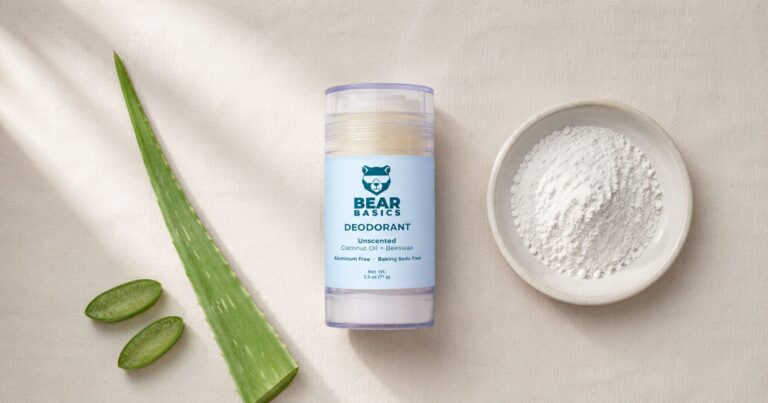
Ours is exactly what this whole article argues for: a natural deodorant that's aluminum-free and baking-soda-free, built around magnesium for gentle, effective odor control, with skin-friendly butters so it feels good enough to use every day. It won't stop you sweating — it's not pretending to. It keeps you fresh while your body does its normal thing.
If you've bounced off natural deodorant before because of irritation or a rough first week, this is the version worth another try. Browse the underarm line and give it the honest two weeks.
Ian founded Bear Basics on one idea: personal care built from a short list of food-grade ingredients we all recognize. Everything is small-batch and made in Colorado. Read the full story →