Spend $50, Get 10% Off

Thin, dry mountain air pulls moisture out of your skin from every direction — then cold, wind, dry heat, and stronger sun pile on. Here’s why it happens, and the simple hydrate-then-seal routine that keeps skin comfortable all winter.

High altitude and winter dry out skin from several directions at once: the air holds much less moisture, so it constantly pulls water out of your skin, while cold, wind, dry indoor heat, and stronger high-altitude sun all stress the skin barrier further. The fix is to hydrate and then seal: moisturize on damp skin, then lock it in with a richer, occlusive balm — which is exactly where water-free balms and bars shine in dry climates. Pay special attention to lips, hands, and other spots that crack first, run a humidifier indoors, stay hydrated, and don’t skip sun protection (UV is stronger up high). For cracked, painful, or persistent dryness, see a dermatologist.
If you live somewhere high and cold — the mountain West, say — you already know winter skin here is a different beast. It’s not your imagination: high altitude and winter are each drying on their own, and together they form a genuine double hit that ordinary humid-climate advice doesn’t quite cover.
The common thread is moisture, or rather the lack of it. Both altitude and winter mean air that holds very little water, and dry air is relentless: it constantly draws moisture out of whatever’s more humid than itself — including your skin. Stack the two conditions and your skin is fighting a losing battle all season unless you help it.
Understanding why it happens makes it very manageable. A few adjustments — mostly about sealing moisture in — keep skin comfortable even through a hard mountain winter.
It helps to name the specific culprits, because in a high-altitude winter they gang up. There are five main ones, and most days you’re facing all of them.
First, low humidity — the master factor — means the air is thirsty and pulls water from your skin. Second, cold outdoor air holds even less moisture and slows your skin’s own oil production. Third, wind physically strips away the skin’s protective surface. Fourth, dry indoor heat from furnaces makes the air inside even drier than outside. And fifth, stronger UV at altitude adds sun stress on top.
No single one of these is unusual, but together, all winter, they’re a lot for skin to withstand. That’s why skin that behaves fine in a mild, humid climate can suddenly turn tight, flaky, and cracked when you’re up high in January.
The mechanism behind all of this is worth understanding, because it points straight at the solution. Your skin constantly loses a little water to the air through its surface — a normal process called transepidermal water loss. How fast it happens depends heavily on how dry the surrounding air is.
In humid air, that loss is slow, because the air is already fairly full of moisture. In the dry air of a high-altitude winter, the gradient is steep: very dry air beside relatively moist skin, so water is pulled out quickly and continuously. Your skin simply can’t replace it fast enough.
This is exactly why an occlusive layer helps so much. A balm on the surface slows that water loss dramatically — it’s like putting a lid on, so the dry air can’t keep drawing moisture out. Sealing addresses the actual mechanism.
Winter dries skin anywhere, but altitude brings its own extra burdens worth calling out. As you climb, the air gets thinner and typically holds even less moisture, intensifying that constant pull on your skin beyond what the same season would do at sea level.
Altitude also means more intense ultraviolet exposure. There’s less atmosphere overhead to filter the sun, so UV is stronger up high — and in winter, snow reflects sunlight back up at you, compounding it. That sun stress adds to the barrier damage the dry air is already causing.
Lower temperatures and brisk mountain winds round out the picture. None of this means you can’t have wonderfully comfortable skin at altitude — it just means the bar for protecting and sealing it is higher than a milder place would ask.
Your skin will tell you when the conditions are winning, and learning the signs lets you respond before things get uncomfortable. A struggling, moisture-depleted skin barrier shows up in fairly recognizable ways.
These are signs the barrier needs support, not aggressive treatment. The answer is gentler cleansing and more sealing, not harsher products or exfoliation. If skin cracks deeply, bleeds, becomes painful, or won’t improve with good care, that’s the point to see a dermatologist rather than pushing on alone.
Nearly everything about caring for high-altitude winter skin comes down to two words in the right order: hydrate, then seal. Add water to the skin, then trap it there before the dry air can steal it back. Miss either half and dry skin wins.
In practice, that means moisturizing while your skin is still slightly damp — within a few minutes of washing — to add moisture, then following with a richer, occlusive balm to lock it in. The seal is the part people skip and the part that matters most in a dry climate, because without it, a plain moisturizer’s water just evaporates into the thirsty air.
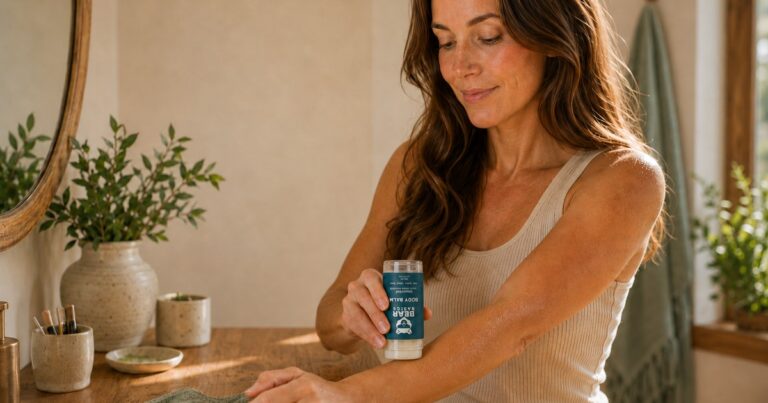
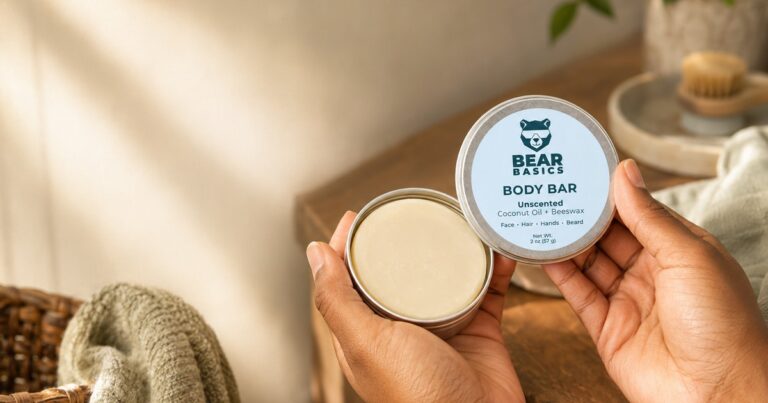
Dry, high-altitude winters are precisely the conditions where rich, anhydrous (water-free) balms and bars earn their reputation. A product made of oils, butters, and wax lays down a durable, protective, sealing layer — exactly the occlusive shield that dry air demands.
Because they contain no water, these balms are also more concentrated and longer-lasting on the skin, holding up against wind and cold better than a lighter, water-based lotion that can absorb or evaporate quickly. In a demanding climate, that staying power is a real advantage. A tallow-based balm is a classic example of a rich, protective seal — our overview of tallow for skin explains why.
None of this means you skip a moisturizer — the hydrate step still matters. It means the sealing balm is the hero of a dry-climate routine, and it’s worth choosing a genuinely rich one. Our comparison of a lotion bar vs. regular lotion shows how the water-free approach holds up.
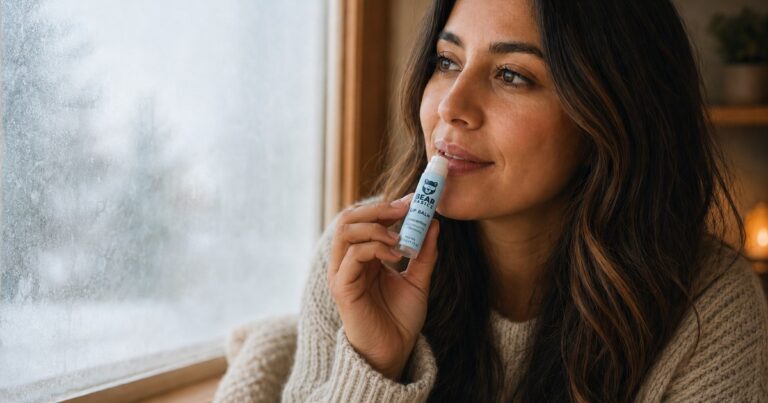
Some areas surrender to dry mountain air before the rest, and they deserve extra, more frequent attention. Lips are the most vulnerable of all, because they have almost no oil glands to protect themselves — which is why they chap and split first in winter.
Hands come a close second, since they’re constantly exposed to the elements and repeatedly washed, stripping away what little protection they have. Cheeks, knuckles, and heels round out the usual casualties. These spots need a richer balm, applied more often — several times a day, and always after washing hands.
For lips especially, a plain, sealing balm reapplied through the day is the single best defense, and a coat before bed lets it work overnight. Our guide to fixing chapped lips for good covers the whole approach, which matters even more when the air is this dry.
Here’s a twist people miss: in winter, the air inside your warm home can be even drier than the frigid air outside. Furnaces and heaters slash indoor humidity, so retreating indoors doesn’t give your skin a break — it often keeps drying it, all day and all night.
A humidifier is the direct fix. Adding moisture back into your indoor air means your skin (and your airways) lose less water inside, and running one in the bedroom overnight — when your skin is doing much of its recovery — is especially worthwhile in a dry climate.
Drink enough water, keep showers warm rather than hot (hot water strips skin), and moisturize right after bathing. And consider lowering the thermostat a touch — a slightly cooler home is a slightly less drying one.
It’s tempting to think of sun protection as a summer concern, but at altitude that’s a mistake — and a common one. UV exposure is stronger up high because there’s less atmosphere to filter it, and in winter, snow reflects a large share of that sunlight right back at your skin.
That means bright winter days at altitude can deliver a surprising amount of UV, adding to the barrier stress your skin is already under from the dry air. Sun protection is genuinely a year-round need in the mountains, not just a warm-weather one.
A moisturizing balm seals and protects against dryness — it is not sun protection and won’t shield you from UV. For that, use a dedicated broad-spectrum sunscreen, seek shade, and cover up on bright days. Treat sun care and moisture as two separate, both-important steps.
Pulling it together, a routine for dry, high-altitude winters doesn’t need to be complicated — just consistent and seal-focused. Here’s the whole thing.
That’s a complete cold-climate routine in a handful of steps. The theme throughout is seal, seal, seal — because in dry air, keeping moisture in matters even more than adding it. Go a little richer than you would in a mild climate, and reapply to the spots that crack first.
Everyone in the household feels a mountain winter, and the same hydrate-then-seal approach works across ages — just gentler and simpler for the youngest. Kids’ and babies’ thinner skin can chap quickly in dry cold, so a fragrance-free moisturizer and a gentle balm on cheeks, lips, and hands go a long way.
For little ones, keep it minimal and fragrance-free, apply after baths on damp skin, and protect the exposed spots — cheeks and lips especially — before heading out into cold, windy air. As always with children, patch test new products and check with a pediatrician for any rash, painful cracking, or persistent dryness rather than reaching for something stronger.
The nice thing about a simple, seal-focused approach is that it scales to the whole family with one or two versatile products. Our guide to simple skincare for the whole family carries this same easygoing philosophy across every age in a dry-climate home.
High-altitude winter dry skin isn’t mysterious, and it isn’t inevitable. It happens because thin, cold, dry air — indoors and out — pulls moisture from your skin faster than it can be replaced, with stronger high-altitude sun adding to the stress on top. Once you understand that simple mechanism, the answer becomes clear and manageable.
Hydrate, then seal: add water to damp skin, then lock it in with a rich, water-free balm, leaning harder on that sealing step than you would anywhere milder. Protect the spots that crack first, humidify your indoor air, stay hydrated, and don’t skip sun protection. That’s the whole playbook.
Do that consistently and even a demanding mountain winter becomes very manageable — comfortable, protected skin all season long, even when the forecast looks brutal. And for anything that cracks, bleeds, or won’t heal despite good care, a dermatologist is the right next step. Everything here is for everyday comfort and protection — not treatment of a medical condition.
Megan co-founded Bear Basics and leads design. As a mom, she writes our gentlest, most practical guides — on ingredients, sourcing, and simple family skincare — with an emphasis on honest, well-sourced, and simple. Read the full story →