
Is Beeswax Vegan?
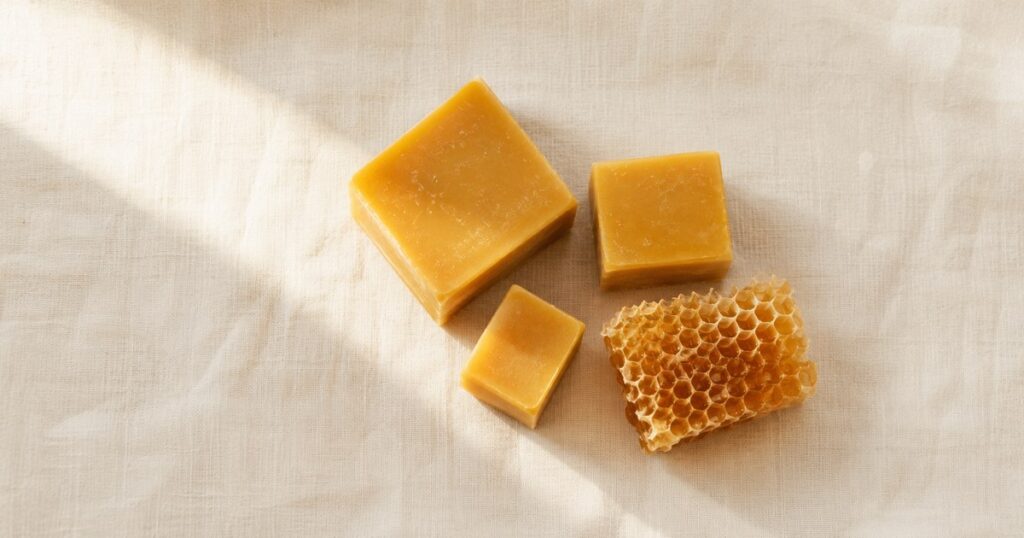
Beeswax is made by bees, so nothing containing it is vegan. Our honest answer, the vegan alternatives compared, and why we still use it.
What Is Petrolatum?
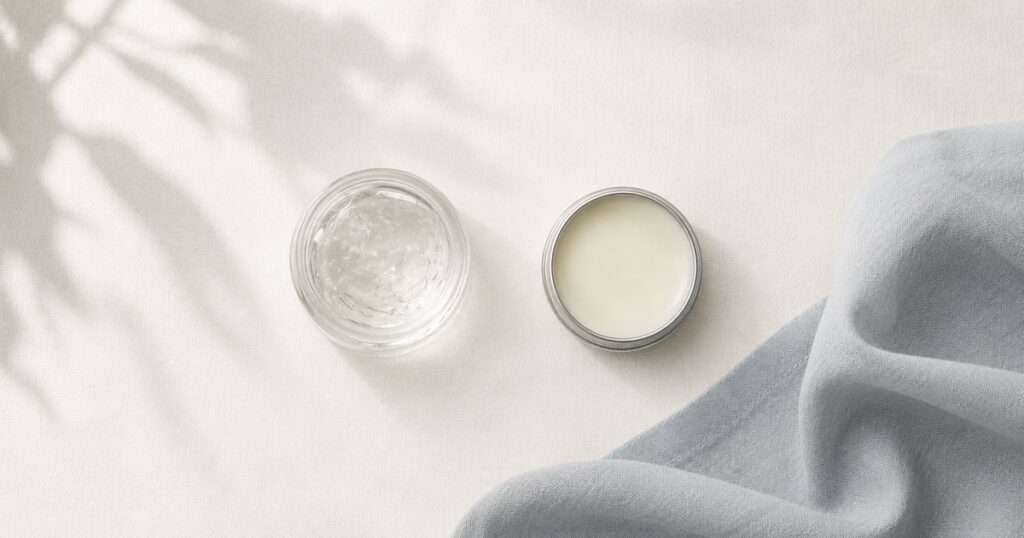
What petrolatum is, how it’s made from crude oil, why it works so well as an occlusive, and our honest reasoning for choosing plant and animal fats instead.
Occlusives vs Humectants vs Emollients
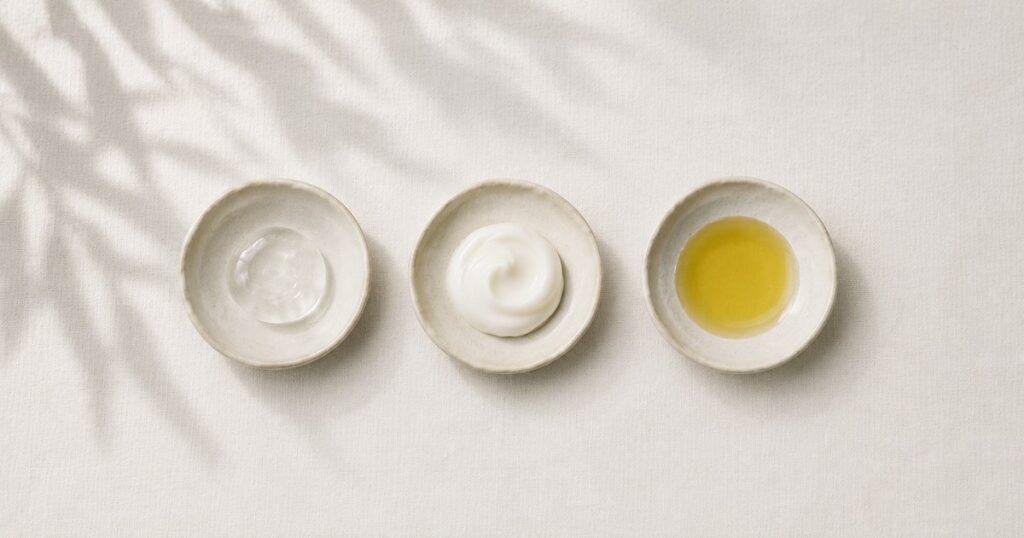
Occlusives seal, humectants attract water, emollients smooth. What each job does, which ingredients do it, and how to layer them for real results.
EWG & Yuka Scores, Explained
A quick color or number feels reassuring — but these apps mostly measure hazard, not real-world risk, and that difference changes everything. Here’s an…
Essential Oils in Skincare
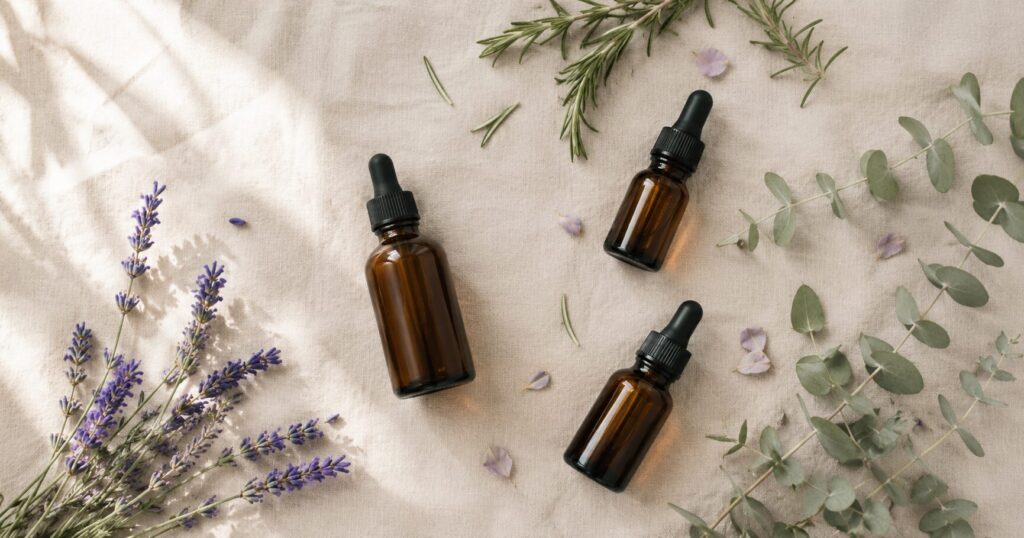
Concentrated, aromatic, and genuinely potent — essential oils can be lovely, but “natural” doesn’t mean “gentle.” Here’s an honest look at what they do…
Fragrance-Free vs Unscented
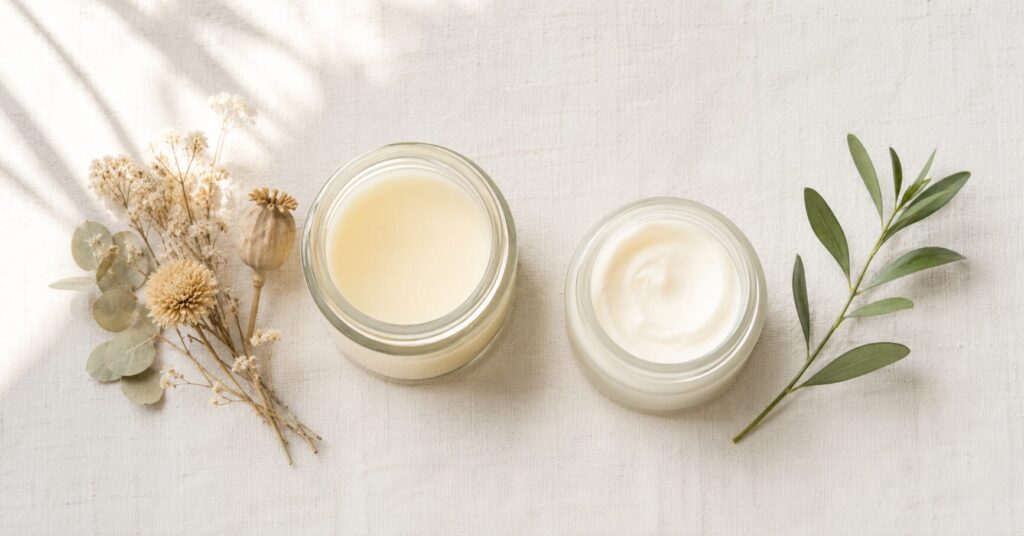
They sound like the same promise — but one means “no fragrance added,” and the other can quietly include a masking fragrance to hide a smell. Here’s the…
What Is Castor Oil?
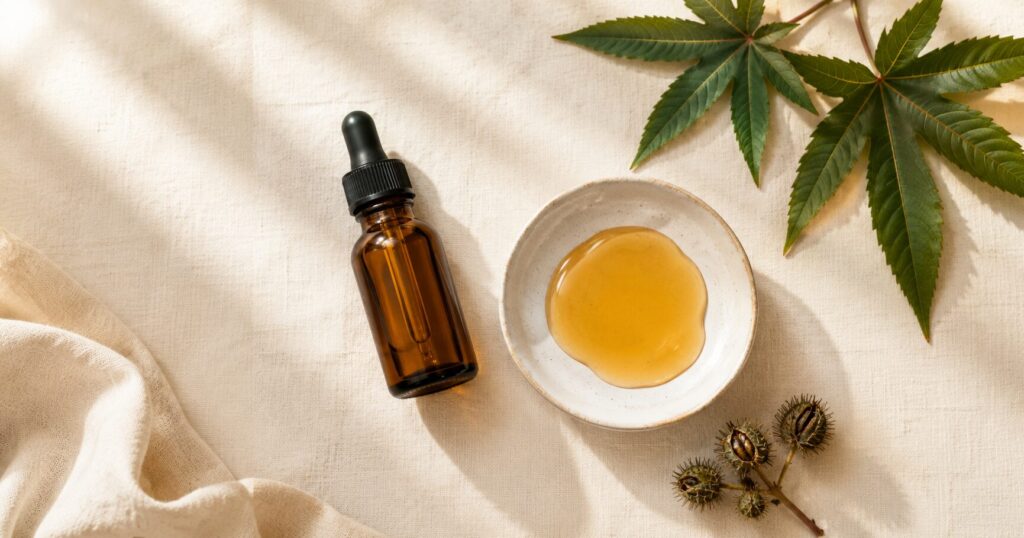
A thick, glossy oil pressed from the castor bean — about 90% one unusual fatty acid, which is the secret behind its slip and shine. Here’s what castor oil…
Beeswax vs Candelilla vs Carnauba
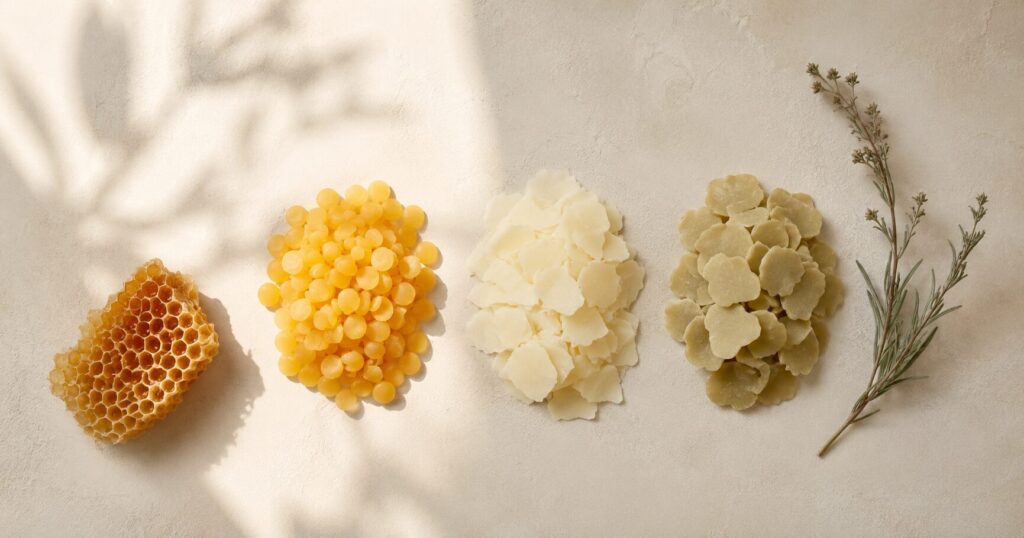
The three waxes behind most balms: one from bees, two from plants — differing in hardness, feel, and vegan status. Here’s how they really compare, and…
Anhydrous (Water-Free) Skincare, Explained
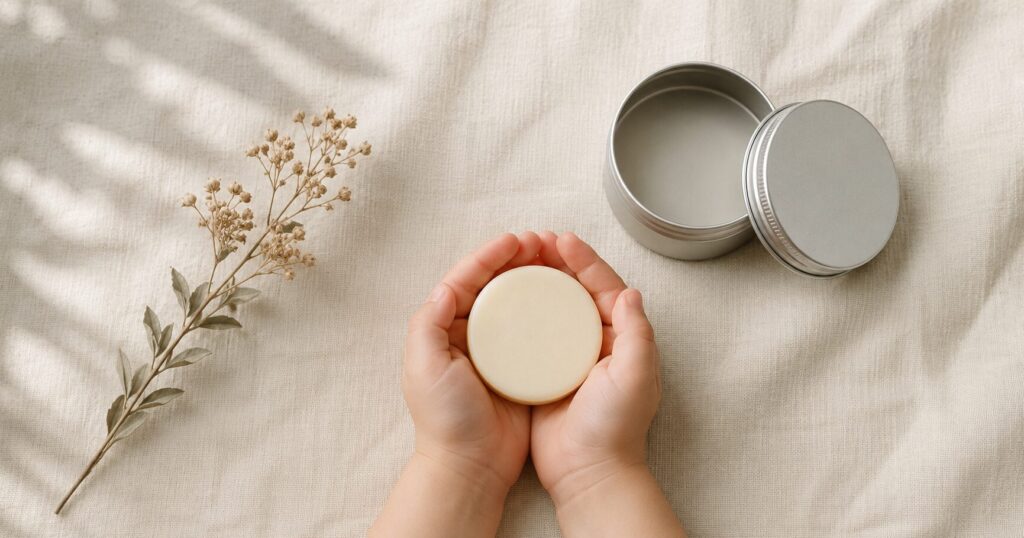
Anhydrous just means water-free — balms, oils, and butters with no water in them. That one difference changes preservatives, concentration, shelf life…
Do Comedogenic Ratings Actually Matter?
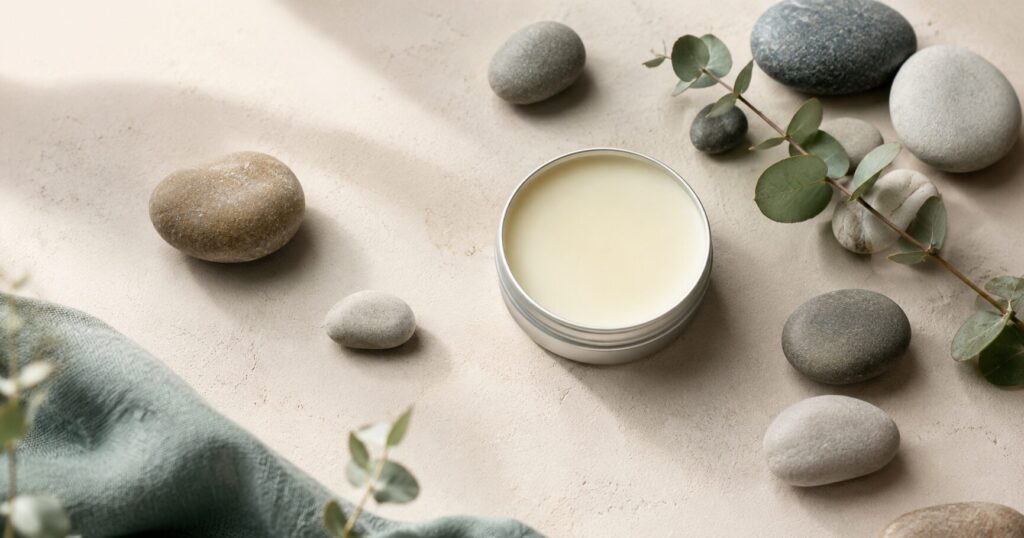
They score how likely an oil is to clog pores, from 0 to 5 — a genuinely useful starting point, but a rough guide, not a guarantee. Here’s when the…