
Beef Tallow vs Lanolin
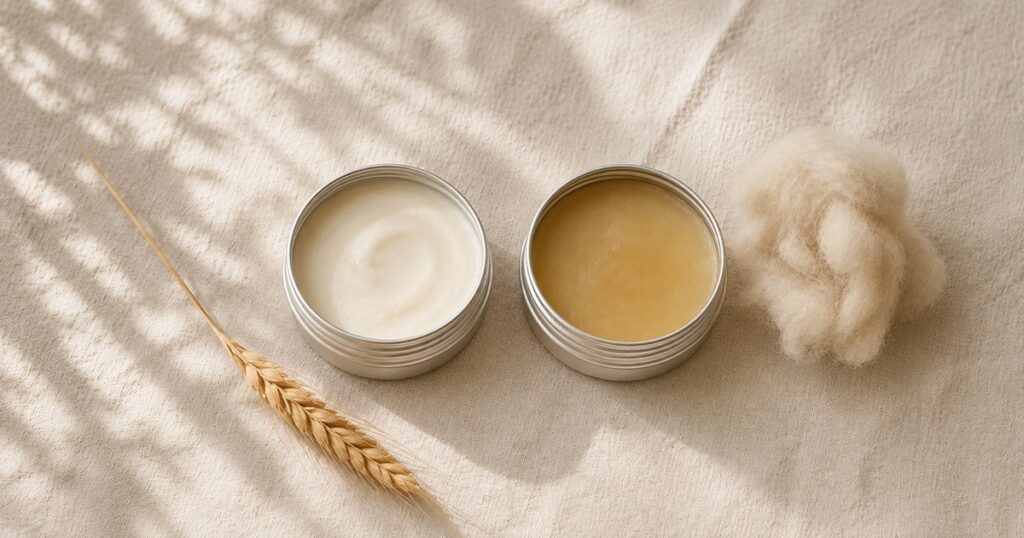
Beef tallow vs lanolin: two animal-derived moisturizers compared on source, feel, allergy record, and best use. An honest look at both, and who each suits.
How Tallow Is Made: From Suet to Skincare
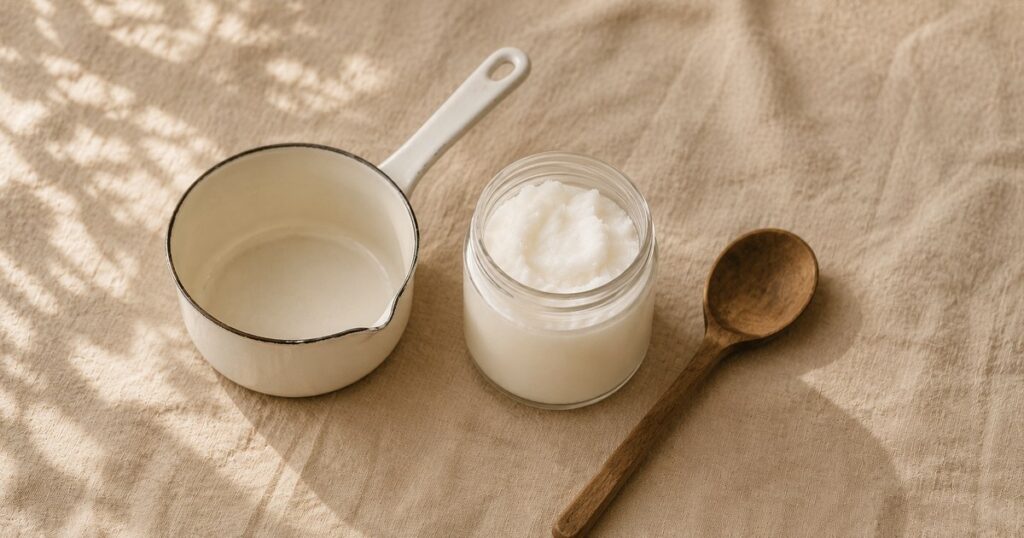
How beef tallow is made: rendering suet at low heat, straining, and filtering to a clean cosmetic-grade fat. Every step, and what quality depends on.
Does Tallow Balm Smell Like Beef?
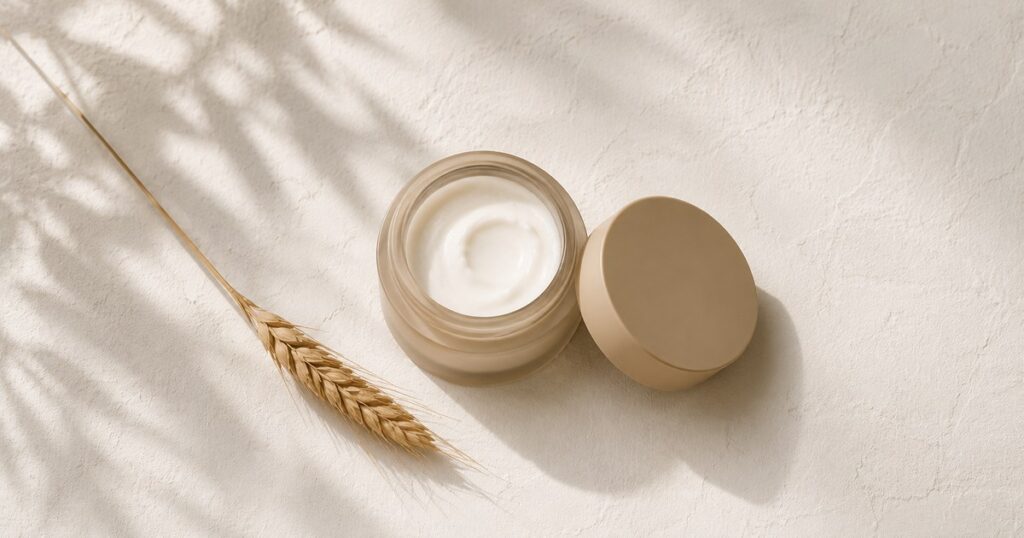
No, a well-made tallow balm doesn’t smell like beef. Here’s what causes the beefy smell in badly rendered tallow, and what good tallow actually smells like.
Whipped vs Hard Tallow: What’s the Difference?
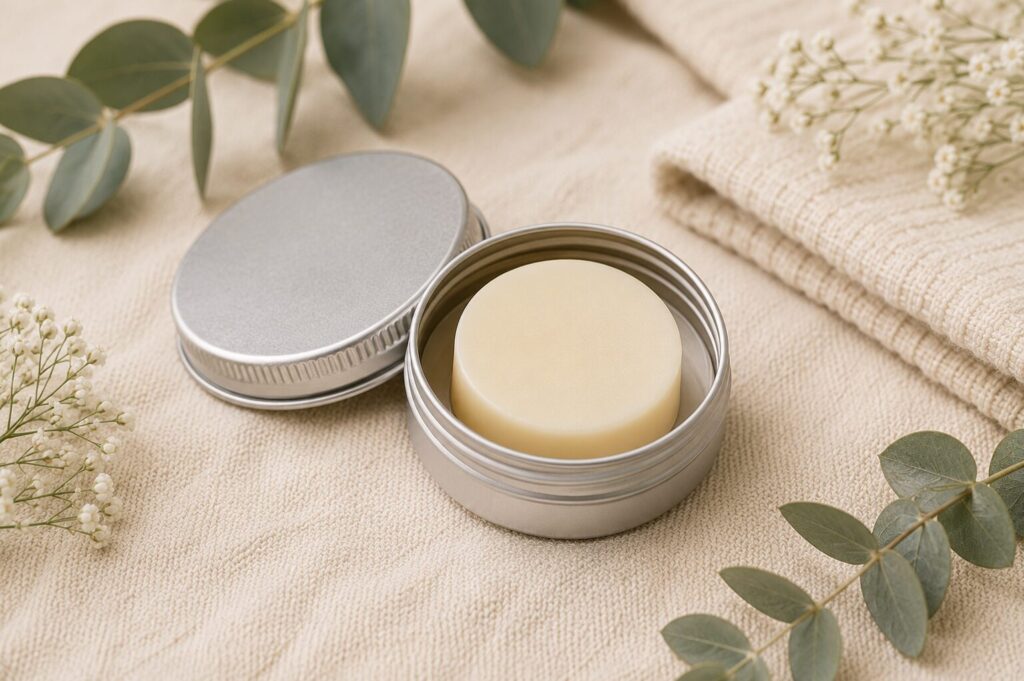
Same fat, different texture — whipped is soft, airy, and spreads easily; hard is firm, concentrated, and travels well. Here’s how to choose between them.
How to Use a Tallow Balm on Your Face and Body
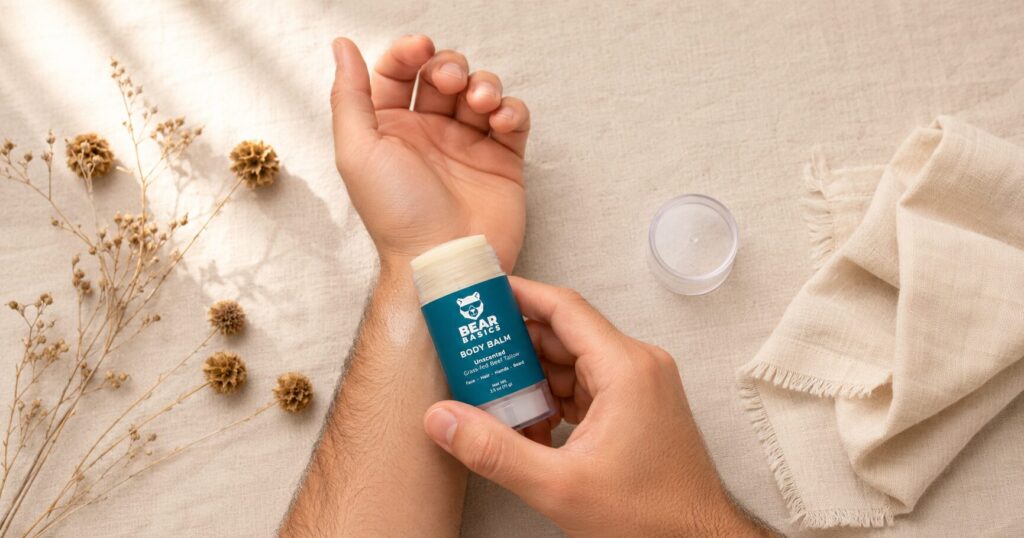
It’s simple: warm a little, apply to slightly damp skin, thin on the face and generous on dry body spots. A little goes a long way — here’s the full…
Is Beef Tallow Good for Acne-Prone Skin?
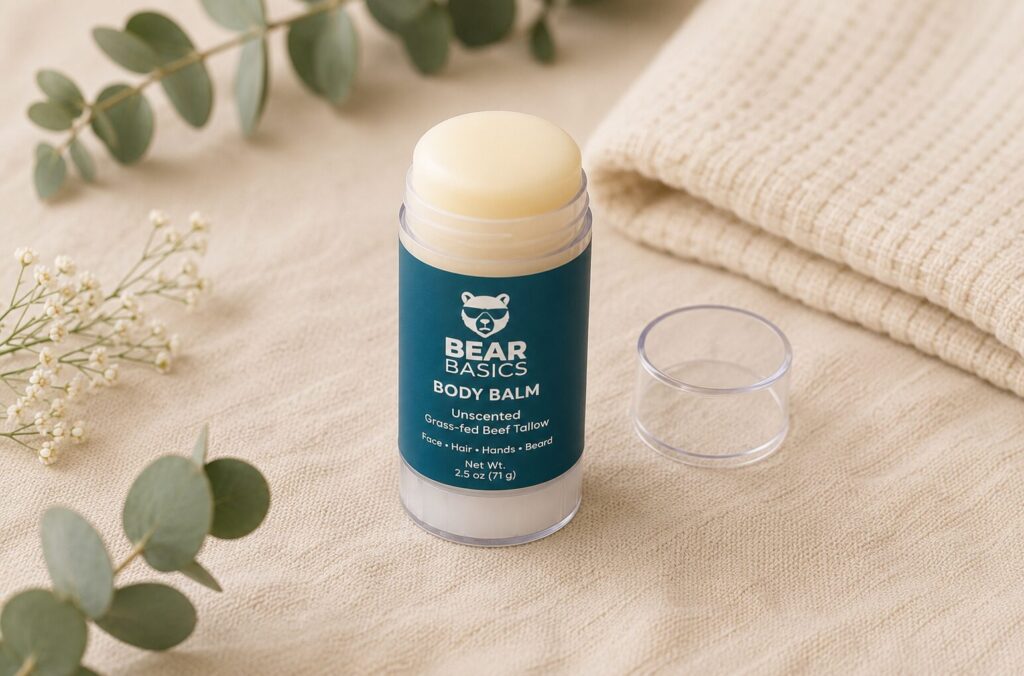
It can suit some acne-prone skin — tallow is widely considered low-comedogenic and similar to skin’s own oils — but it’s individual, and it’s not an acne…
What “Grass-Fed” Really Means for Beef Tallow
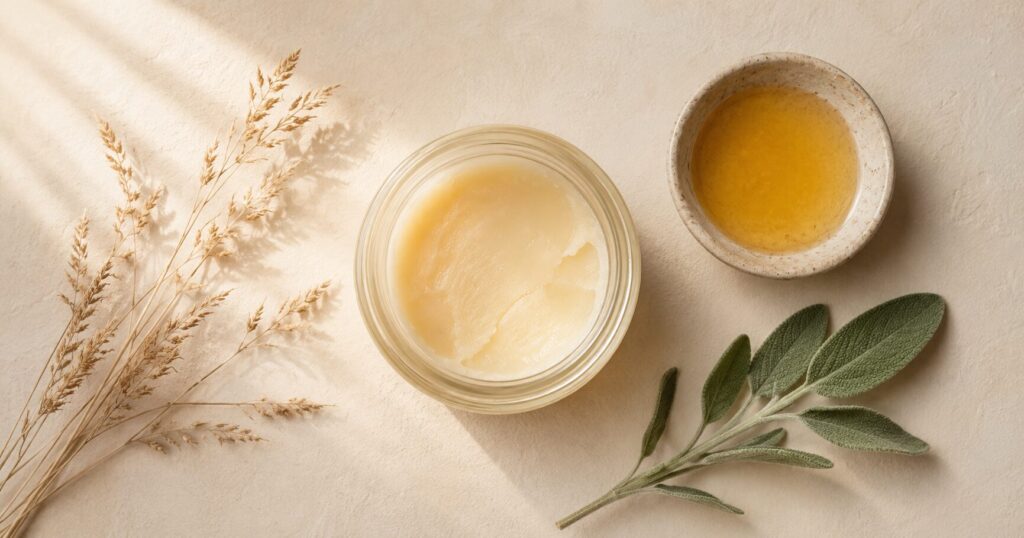
Grass-fed means the cattle were raised on pasture, not finished on grain — and that shifts the fat’s makeup in small but real ways. Here’s what the label…
Beef Tallow vs Shea Butter: A Side-by-Side Comparison

Beef tallow vs shea butter: how these two rich moisturizers compare on skin compatibility, feel, and best uses, and which suits you.
7 Beef Tallow Skincare Benefits Backed by Skin Science

From deep moisture to barrier support, here are 7 real, science-grounded benefits of beef tallow for skin — honestly framed, with what it can and can’t do.
Is Beef Tallow Good for Your Skin? What the Science Actually Says
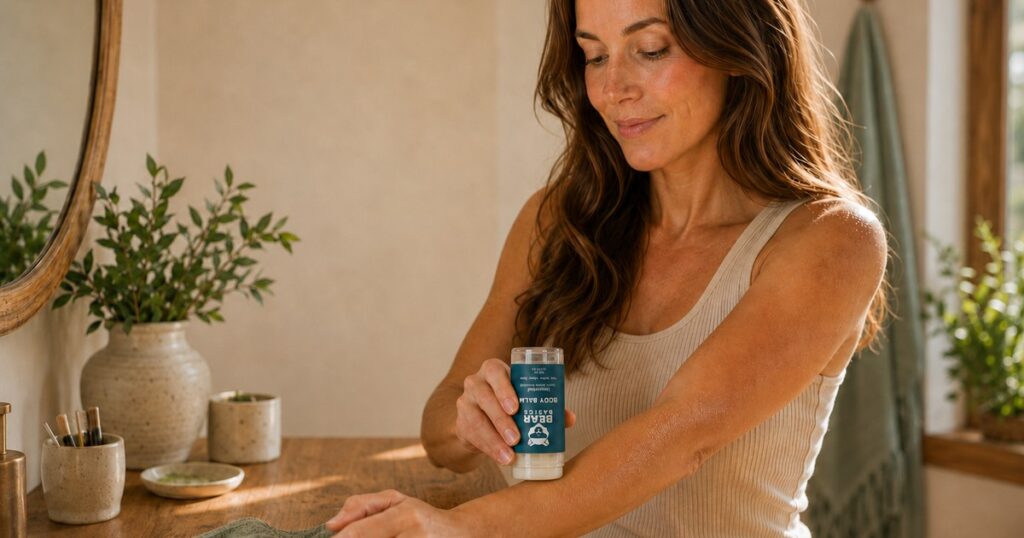
Beef tallow is especially good for dry, mature, and barrier-stressed skin because its fats resemble skin’s own. Here’s the honest, science-grounded answer.